
Paint protection film generally does not damage original factory paint when removed correctly. However, paint damage can occur when the film has deteriorated, the vehicle has previously been repainted, or improper removal techniques are used. Professional removal helps minimize these risks while preserving the underlying finish.
How Does Paint Protection Film Protect Original Paint
Paint protection film is a transparent, flexible material commonly manufactured from thermoplastic polyurethane (TPU). It adheres to the vehicle’s painted panels through a specialized pressure-sensitive adhesive.
Most automotive protection films contain several important layers:
- Topcoat: Resists surface staining and minor scratches. Some products feature self-healing properties.
- Polyurethane Layer: Absorbs minor impacts from road debris and helps prevent paint chips.
- Adhesive Layer: Secures the protective material to the painted surface.
- Release Liner: Protects the adhesive before installation and is discarded during application.
These components protect the vehicle without permanently changing its original color.
For owners considering paint protection film in Chaska, MN, understanding how these materials function also explains why proper installation matters when the film eventually requires replacement.
What Causes Paint Damage During PPF Removal
Although high-quality films are engineered for removal, certain conditions increase the likelihood of paint damage.
1. Previously Repainted Panels
Factory paint typically undergoes controlled application and curing. Repainted surfaces may have different adhesion characteristics depending on preparation, materials, and curing conditions.
If a panel was improperly refinished, removing the protective layer could lift weakened clear coat or paint.
Vehicle owners should inform technicians about previous collision repairs or repainting before scheduling work.
2. Aging Adhesive
Over time, sunlight, temperature changes, and environmental exposure can affect film flexibility and adhesive performance.
Deteriorated film may become brittle or separate unevenly.
Common warning signs include:
- Yellowing or discoloration
- Cracking or splitting
- Persistent adhesive residue
- Lifting edges
- Film tearing during removal
These symptoms suggest that professional assessment may be necessary.
3. Excessive Pulling Force
Aggressively peeling film can stress the painted surface, especially near panel edges or previous repairs.
Technicians must control the removal angle, tension, and speed to reduce unnecessary strain.
4. Improper Heat Application
Controlled warmth can soften adhesive and make removal easier. However, excessive temperatures can damage paint, plastic trim, or surrounding components.
Professional technicians follow product-specific removal recommendations rather than relying on uncontrolled heat.
Drivers researching paint protection film in Chaska should consider future removal requirements when selecting an installation provider.
Can PPF Damage Factory Paint Compared to Repainted Surfaces
Factory paint generally offers more predictable adhesion than improperly refinished surfaces. However, neither condition guarantees damage-free removal.
| Paint Condition | Removal Risk | Main Concern |
| Original factory paint | Generally lower | Proper removal technique |
| Professionally repainted panels | Variable | Quality of refinishing |
| Poorly repaired surfaces | Higher | Weak paint adhesion |
| Peeling clear coat | Higher | Existing finish deterioration |
| Factory paint beneath aging film | Variable | Adhesive degradation |
A properly refinished vehicle may tolerate removal successfully, while factory paint with existing damage can still experience problems.
Before installing paint protection film, owners should disclose previous bodywork so potential adhesion concerns can be evaluated.
Should You Remove Old PPF or Keep It Installed
Not every aging film requires immediate removal. If it remains clear, intact, and securely attached, you may be able to keep it on.
However, certain conditions suggest replacement should be considered.
| Film Condition | Recommended Action |
| Clear and securely attached | Continue regular maintenance |
| Minor edge lifting | Request an inspection |
| Noticeable yellowing | Evaluate film condition |
| Extensive cracking | Consider professional removal |
| Significant adhesive deterioration | Seek specialist assessment |
Actual film longevity varies with product quality, driving conditions, storage, and maintenance.
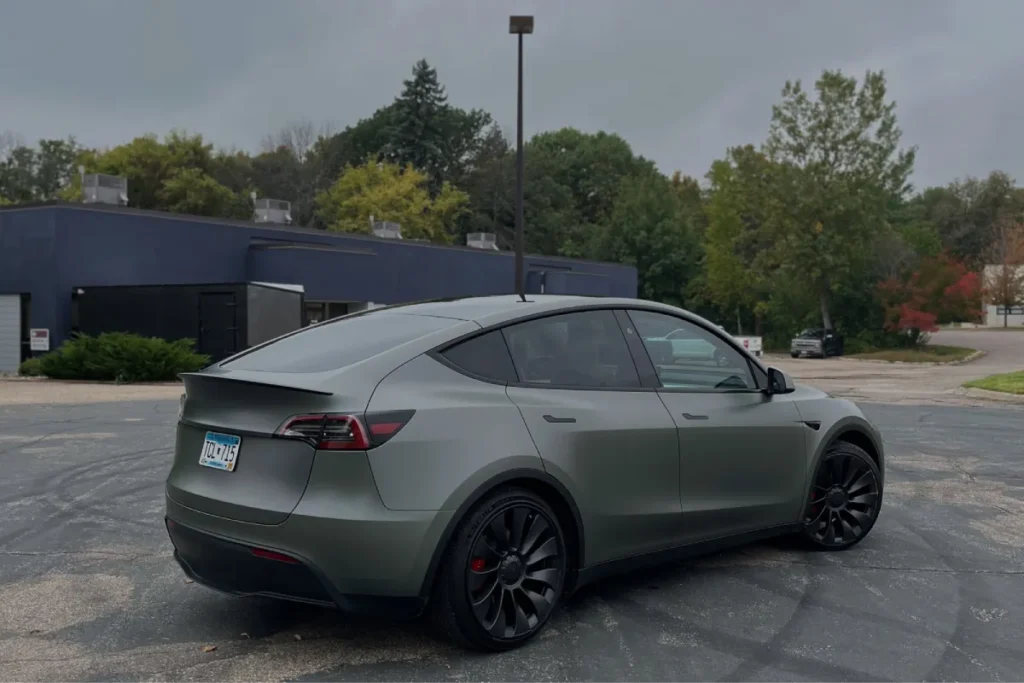
Common Myth: Removing PPF Always Peels Off Factory Paint
One common misconception is that protective film permanently bonds to the vehicle and inevitably removes clear coat when peeled away.
This is incorrect.
Automotive PPF is engineered to adhere securely during use while remaining removable under appropriate conditions.
The greatest concerns often involve weakened paint, deteriorated adhesive, or improper removal.
For example, film removed from an undamaged factory-painted hood may leave the finish intact. However, the same procedure on a poorly repainted bumper could expose existing adhesion problems.
Another misconception is that applying more heat always makes removal safer. Excessive temperatures can introduce additional risks.
The safest method depends on the particular film and painted surface.
Understanding these distinctions helps drivers considering paint protection film choose and evaluate long-term protection more confidently.
How Can You Reduce Paint Damage Risks
Protecting the original finish begins before installation and continues throughout vehicle ownership.
Consider these precautions:
- Disclose previous repairs: Inform technicians about repainted panels or existing clear-coat damage.
- Select quality materials: Review manufacturer specifications, warranties, and maintenance instructions.
- Choose experienced installers: Ask how they inspect paint and prepare surfaces before applying film.
- Maintain your vehicle: Remove contaminants regularly using appropriate automotive cleaning products.
- Monitor film deterioration: Schedule an assessment when cracking, discoloration, or lifting develops.
- Avoid aggressive removal: Seek professional assistance when film condition or paint adhesion is uncertain.
What Should You Ask Before Choosing a PPF Installer
A qualified installer should explain both the immediate protection benefits and long-term maintenance considerations.
Important questions include:
- Do you inspect repainted panels before installation?
- What film products and warranty options are available?
- How do you prepare the vehicle’s paint?
- What maintenance does the protective material require?
- What should owners expect when replacement becomes necessary?
Midwest Auto Pros provides automotive paint protection services from its Chanhassen facility and serves Chaska-area drivers.
The company offers partial-front, full-front, track, and full-vehicle protection packages, so owners can choose coverage based on driving habits and vulnerable panels.
Drivers in Downtown Chaska who regularly travel highways may prioritize front bumpers, hoods, fenders, and side mirrors because these surfaces frequently encounter road debris.
For customers comparing Chaska, MN paint protection film, choosing the right coverage and understanding future maintenance can matter more than simply selecting the largest package.
Protect Your Original Paint With Midwest Auto Pros
Removing paint protection film does not automatically damage your vehicle’s original finish. The outcome depends on paint condition, film quality, adhesive behavior, and removal techniques.
Professional installation and proper maintenance can help preserve your investment.
Midwest Auto Pros provides paint protection film installation and vehicle protection solutions for drivers throughout Chaska and surrounding communities.
Whether you own a daily commuter, luxury vehicle, or performance car, protecting the factory finish starts with choosing the right materials and experienced professionals.
Ready to preserve your vehicle’s original paint? Contact us to request a consultation and explore protection options tailored to your vehicle.
People Also Ask
Can PPF be removed without damaging factory paint?
Yes. Properly installed film can generally be removed from sound factory paint without damage when manufacturer-recommended techniques are followed.
Does old paint protection film damage clear coat?
Aging film can become difficult to remove, particularly when adhesive deteriorates. Existing clear-coat defects may increase the risk of damage during removal.
Can you remove PPF from a repainted vehicle?
Yes, but you may need additional precautions. Repainted surfaces can have varying adhesion quality, making professional inspection important.
Should yellowing paint protection film be replaced?
Significant yellowing may indicate aging, staining, or deterioration. A professional assessment can determine whether cleaning or replacement is appropriate.